Learn How To Breathe
I remember the first-time I brought this up to a group of friends. I said, “What’s crazy is that most people in the US do not know how to breathe, walk, or stand correctly.”
My friend responded quickly, “What do you mean?!?”
In a previous article, I talked about the importance of walking… but I did not go into the mechanics of walking correctly. Stay tuned for that. In the meantime, let’s talk about the fundamental movement pattern that can save your life: breathing.
Before you keep reading, take a second, breathe in deeply, let’s count to 4, and now breathe out forcefully (empty your lungs completely). Let’s do it again - this time observe yourself - where do you feel the breath? What is the passage the air is taking?
Are you breathing in through your chest and mouth?
Or are you breathing in through your belly and nose?
While I will refrain from saying there is a wrong way to breathe, I will say there is an optimal way.
The optimal way to breathe is mostly through the nose and through the belly.
In breathwork training, we call this horizontal breathing.
And the reason we call it horizontal breathing is to give you a visual and physical cue: when you breathe in, can you put your hand on your belly and see it rise?
What about your back, does it rise and fall as you breathe in and out?
What about your sides?
You should be breathing in 3-D, all around your center of mass, and when you breathe out, you should see and feel the walls around your center of mass collapse inward toward your spine (or think about your belly button trying to reach your spine on the exhale).
If you found that you are already breathing optimally, scroll down to the last section of this article. If you notice you weren’t breathing optimally, let’s get into it.
I find it can help to talk about my journey with this.
My Journey
To be honest, I went through most of my life and adolescence, never once thinking about my breathing being abnormal.
Early on, I was diagnosed with asthma – I remember getting easily winded in early elementary school when we would do any type of running, but looking back, I am not convinced that I wasn’t just a little deconditioned and overweight as a child.
What can I say? I loved cake!
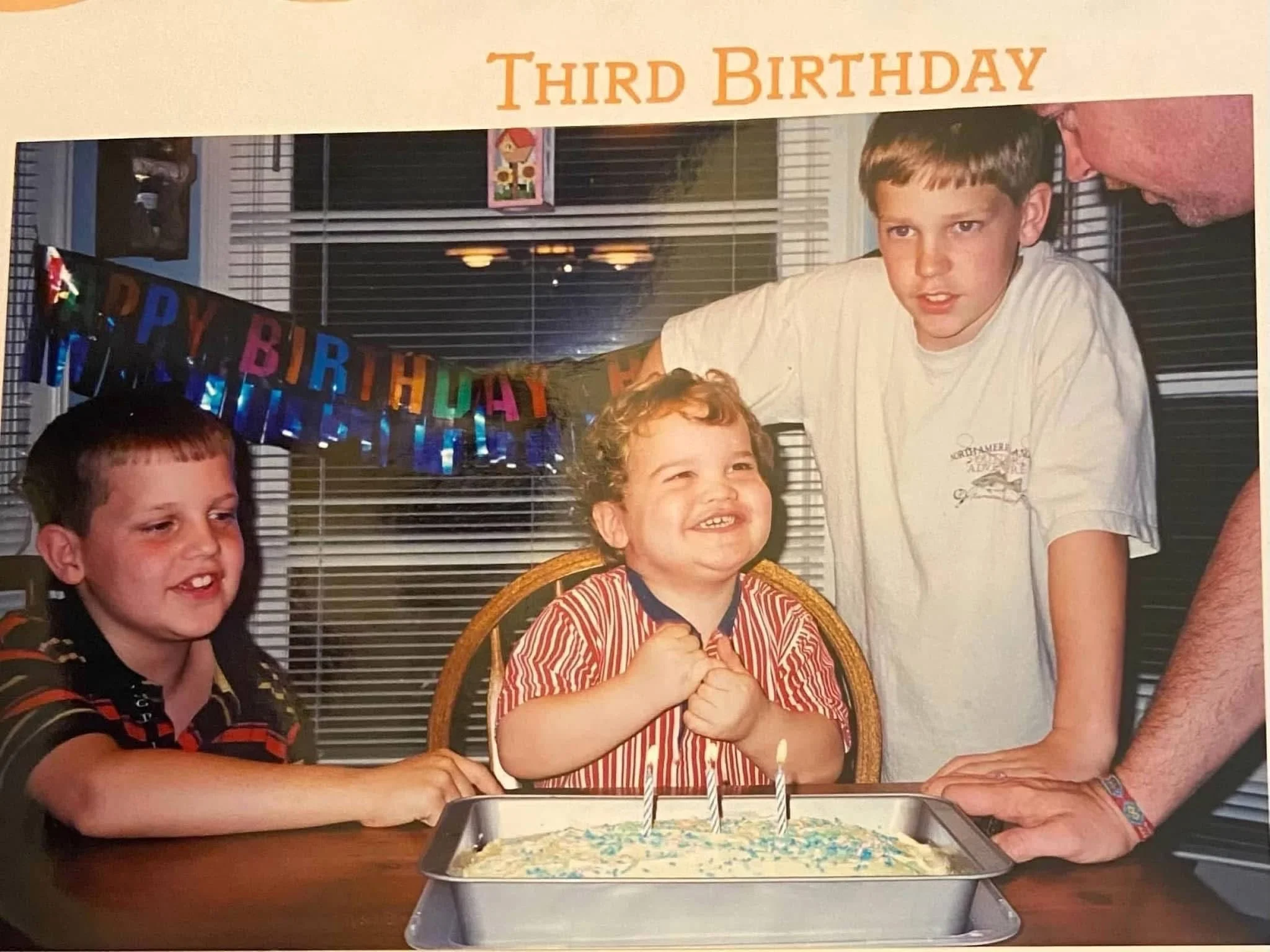
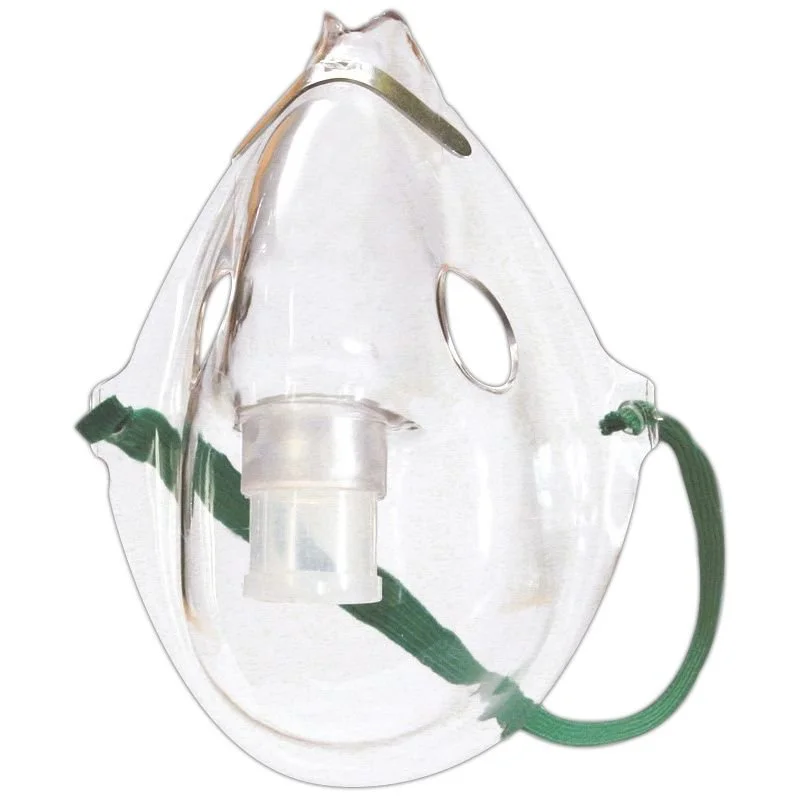
I remember doing a lot of “breathing treatments” when I would get various bouts of bronchitis as a child. The breathing mask for those albuterol treatments reminds me now of a “CPAP for kids or asthma-havers.”
Eventually, I “outgrew” that childhood asthma as I started playing more sports, and never really thought about my breathing again until I was deskbound working my corporate gig at around 300 pounds and hearing my wife complain about my “constant snoring.”
As I started walking and losing weight, I noticed my breathing was naturally becoming clearer and less wheezy, but I was still mostly breathing through my mouth.
It was during this time that I became interested in breathing - I read 2 books that changed my life. 1) Breathe by James Nestor, 2) Breathing for Warriors by Belisa Vranich.
These books taught me the fundamentals of learning and practicing breathing - that’s right, they taught me how to breathe, again.
The Exercises
There are many exercises to help with breathing, and my personal practice on this topic has changed dramatically since the early days of my learning. Now I spend a lot more time doing HRV and Biofeedback training (more on this in another article)!
First, for beginners, we like to start simple: sit, stand, or lie down; put your hands on your belly; and breathe in and out, feeling the muscles of your diaphragm pushing out as you inhale and pulling in as you exhale. Start with your belly, then as you get comfortable, move to your ribs, sides, and back. You want to start visualizing and understanding your internal musculature, and listening to your breath.
Try this for 1-5 minutes to start, and, as you can, slowly progress to 20 minutes, concentrating only on breathing.
(A good time for this is after a strength workout - put your feet up on a wall and start creating a count you can measure: 1 second inhale, 1 second hold, 1 second exhale, 1 second hold, repeat, then progress to 4-seconds as you find you are able.)
For our second exercise, we can do a variation of the “Bellows Breath” (which may differ from what you are familiar with if you are coming from yoga).
Breathe in as wide as you can
Slowly exhale as narrow as you can for 15 seconds
Do 2-sets
As you get better, increase the exhale length to 25 seconds (2-4 sets), then finally 45 seconds (1-5 sets)
Do these two exercises to start about 2-times a week — they will get you pretty far in the right direction!
And once you master these exercises, you will start to notice times during the day when you are breathing more vertically (likely during stressful times) - be kind to yourself, and remind yourself that the horizontal breath is more control and strength! Take a second to breathe in the strength and exhale the insecurities.
What’s amazing about these systems (barring medical obstructions to breathing through your nose) is that they are easy to grasp, but do take intentional practice. Anyone can learn how to breathe properly and develop the ability to control their own breath over the long term.
If you want to learn more or need a quick guide to unlocking your breathing, let’s start working together today.